SEO optimization
Website optimization for search engines
Discover the keys to improve your site's ranking on Google and other search engines this year.
In 2026, search engine optimization still brings in organic traffic. This guide gathers the best practices of on-page, technical and content SEO, adjusted to the latest algorithm updates. From Valencia, we help companies across Spain gain online visibility.
- On-Page SEO
- Optimize titles, meta descriptions, headings, and content with relevant keywords to improve thematic relevance.
- Technical SEO
- Ensure efficient crawling, loading speed, URL structure, and structured data to facilitate indexing.
- Quality Content
- Create useful, original, and updated content that responds to the user's search intent and builds authority.
- Metrics and Monitoring
- Measure performance with tools like Google Search Console and Analytics to continuously adjust your strategy.
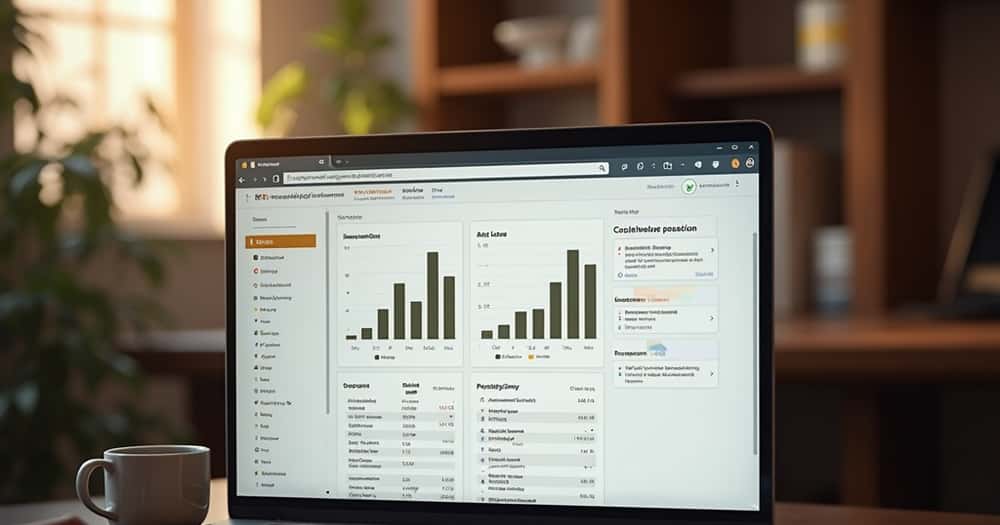
Website optimization for search engines in 2026 rests on user experience, loading speed, quality content and technical SEO. The essentials: implement structured data, improve Core Web Vitals and write for search intent. At SEO7.ES, a free audit will tell you what to improve.
This page covers comprehensive website optimization for search engines in 2026: on-page SEO (titles, meta tags, headings, keyword density), technical SEO (crawling, indexing, speed, structured data, sitemaps) and content (quality, freshness, search intent). It goes through tools like Google Search Console, Screaming Frog and Ahrefs and key metrics (CTR, bounce rate, load time). The goal: a practical guide to improving organic ranking on Google and other search engines, in step with 2026 trends.
How to optimize on-page SEO of a website in 2026?
Keys to effective on-page SEO
On-page SEO is everything done inside the site itself to gain relevance and usability. In 2026, the essentials: unique, descriptive titles (60 characters max), attractive meta descriptions (140-155 characters) with a call to action, hierarchical headings (H1, H2, H3) with keywords, alt text on images, relevant internal links and quality content that answers search intent. Keep keyword density natural, no keyword stuffing. Search engines also value periodic content updates.

- 1Research keywords using tools like Google Keyword Planner or Ahrefs.
- 2Write unique page titles that include the main keyword.
- 3Write persuasive meta descriptions with a clear CTA.
- 4Structure content with H1, H2, and H3 that reflect the thematic hierarchy.
- 5Include keywords in the first 100 characters of the content.
- 6Add descriptive alt text to all images.
- 7Create internal links to other relevant pages on your site.
- 8Update old content to keep it fresh and relevant.
Which aspects of technical SEO are priorities in 2026?

Fundamentals of modern technical SEO
Technical SEO makes sure search engines can crawl, index and understand your site. In 2026, the priorities: loading speed (Core Web Vitals: LCP under 2.5 s, FID under 100 ms, CLS under 0.1), responsive design, clean URLs, an up-to-date robots.txt and XML sitemap, structured data (Schema.org) to enrich results, HTTPS and no duplicate content. Information architecture counts too: comfortable navigation and a sound spread of authority across pages.
| Aspect | Description | Tool | Impact |
|---|---|---|---|
| Loading Speed | Optimize LCP, FID, CLS | Google PageSpeed Insights | High |
| Structured Data | Implement Schema.org | Google Structured Data Testing Tool | Medium |
| XML Sitemap | Update and submit to Google | Google Search Console | High |
| HTTPS | Active SSL certificate | Any SSL provider | Critical |
How to create search engine optimized content in 2026?
SEO content strategy
Content is still king in SEO. In 2026, the key is matching the user's search intent (to learn, to buy, to navigate). It should be original, useful and well structured, with adequate length (usually over 1000 words for complex topics). Work keywords in naturally and use lists, tables and multimedia so it reads better. Update content and spread it on social media and other channels. Topical authority (EEAT) is the foundation: show experience, authority and trust.
«Write so every section reads on its own. A person lands mid page and a machine lifts a chunk without its neighbours. Both cases demand self contained blocks.»
Summary
In summary: SEO optimization for 2026
Website optimization for search engines in 2026 calls for the full approach: on-page, technical and content SEO. Put user experience, loading speed, structured data and quality content that answers search intent first. Follow Google's guidelines and use Google Search Console, Ahrefs and Screaming Frog to watch and adjust the strategy. At SEO7.ES, with 8 years of experience, we run free audits to help you improve your ranking across Spain.
Questions and answers
What is on-page SEO?
It is the optimization of elements within your website, such as titles, meta descriptions, headings, and content, to improve its relevance and ranking.
How long does SEO take to show results?
Generally, initial results are seen between 3 and 6 months, although it depends on competition and the quality of optimizations.
What are Core Web Vitals?
They are Google metrics that measure user experience: LCP (loading), FID (interactivity), and CLS (visual stability). They have been ranking factors since 2021.
Is it necessary to use structured data?
Yes, they help search engines understand content and can generate rich snippets that improve CTR.
How does loading speed affect SEO?
It is a confirmed ranking factor. A slow page increases bounce rate and reduces user satisfaction.
What is keyword stuffing?
It is the practice of excessively repeating a keyword to manipulate ranking. Google penalizes it.
Should I update my old content?
Yes, Google values fresh content. Updating statistics, links, and improving readability can boost ranking.
Which SEO tools are essential?
Google Search Console, Google Analytics, Ahrefs, SEMrush, Screaming Frog, and PageSpeed Insights.
Is local SEO important for my business?
If you have a physical store or serve a local area, yes. Optimize your Google My Business listing and reviews.
What is search intent?
It is what the user is after when they search: to learn, buy, navigate or compare. Content should match that intent.
How to optimize images for SEO?
Use descriptive file names, alt text with keywords, compress size, and choose modern formats like WebP.
What is an XML sitemap?
It is a file that lists the URLs of your site to help search engines find and index your content.
Does responsive design affect SEO?
Yes, Google prioritizes mobile-friendly sites. Responsive design improves user experience and ranking.
What does website optimization for search engines rely on in 2026?
On user experience, loading speed, quality content and a solid technical foundation.
Read also
 WebCEO: Complete SEO Platform for 2026
Discover WebCEO, the all-in-one SEO platform for 2026. Audits, rankings, competition, and pricing. Request a free demo and optimize your strategy.
Read the article SEO Positioning Cost in Valencia: Prices and Rates 2026
Find out how much SEO positioning costs in Valencia in 2026. Learn agency rates and key factors. Request a personalized quote.
Read the article SEO Rates Barcelona 2026: Prices and Budgets
Learn about SEO rates in Barcelona for 2026. Compare agency and consultant budgets. Request a free analysis of your website.
Read the article