AI SEO optimization
Geo SEO: local optimization
Learn how to rank your website in local searches with geo-targeting techniques and regional SEO.
Geo SEO or geolocation SEO is key for businesses that want to attract customers from a specific area. In 2026, local competition is fierce: 46% of Google searches have local intent (source: Think with Google). This guide shows you how to optimize your online presence to appear in results from your region.
- What is Geo SEO?
- Web positioning strategy focused on local searches. Includes Google My Business, reviews, citations, and geolocated content.
- Benefits of Geo-targeting
- Increases quality traffic, improves conversion rate, and reduces competition by focusing on your geographic area.
- Key Tools for 2026
- Google Business Profile, BrightLocal, Whitespark, Semrush Local, Moz Local, and Yext are essential for managing your local presence.
- Success Stories in Valencia
- Valencian companies that applied geo SEO saw a 34% increase in physical store visits and 28% more calls.
Geo SEO in 2026 consists of optimizing your website and online profiles to appear in local searches. It includes creating content with geographic keywords, managing reviews, maintaining consistent NAP, and using Google Business Profile. According to Think with Google, 76% of people who search for something nearby visit the business within 24 hours.
This page addresses local search optimization in 2026, focusing on geo-targeting strategies, tools, metrics, and practical cases. It explains how businesses can improve their visibility in a specific area (city, province, or region) through techniques such as creating local landing pages, managing reviews, building local links, and using structured data. It also analyzes current trends, such as voice search and artificial intelligence applied to local SEO. The goal is to provide a practical and up-to-date guide for businesses throughout Spain, especially those based in Valencia, to attract more customers from their area.
How to Implement a Geo SEO Strategy in 2026?
Practical Steps to Dominate Your Area
Implementing a geo SEO strategy requires a methodical approach. First, optimize your Google Business Profile (formerly Google My Business) with complete and updated information. Second, ensure your name, address, and phone number (NAP) are consistent across all platforms. Third, generate positive reviews and respond to all. Fourth, create localized content on your website (blog, service pages by city). Fifth, use structured data (schema.org) to mark your address and phone. Sixth, build links from local websites (chambers of commerce, newspapers, associations). Seventh, participate in local directories and citations. Eighth, monitor your performance with tools like Google Analytics and Search Console, segmenting by location.
- 1Optimize your Google Business Profile with accurate photos, hours, and categories.
- 2Unify your NAP (name, address, phone) across all online platforms.
- 3Ask satisfied customers for reviews and respond to all, especially negative ones.
- 4Create local landing pages for each city or neighborhood where you operate.
- 5Implement LocalBusiness structured data on your website.
- 6Get links from local media, blogs, and associations in your area.
- 7List your business in local directories and citation platforms like Yelp or Yellow Pages.
- 8Measure results with Google Analytics segmented by location and adjust strategy.
What Key Metrics to Monitor in Geo SEO?
Indicators to Measure Local Success
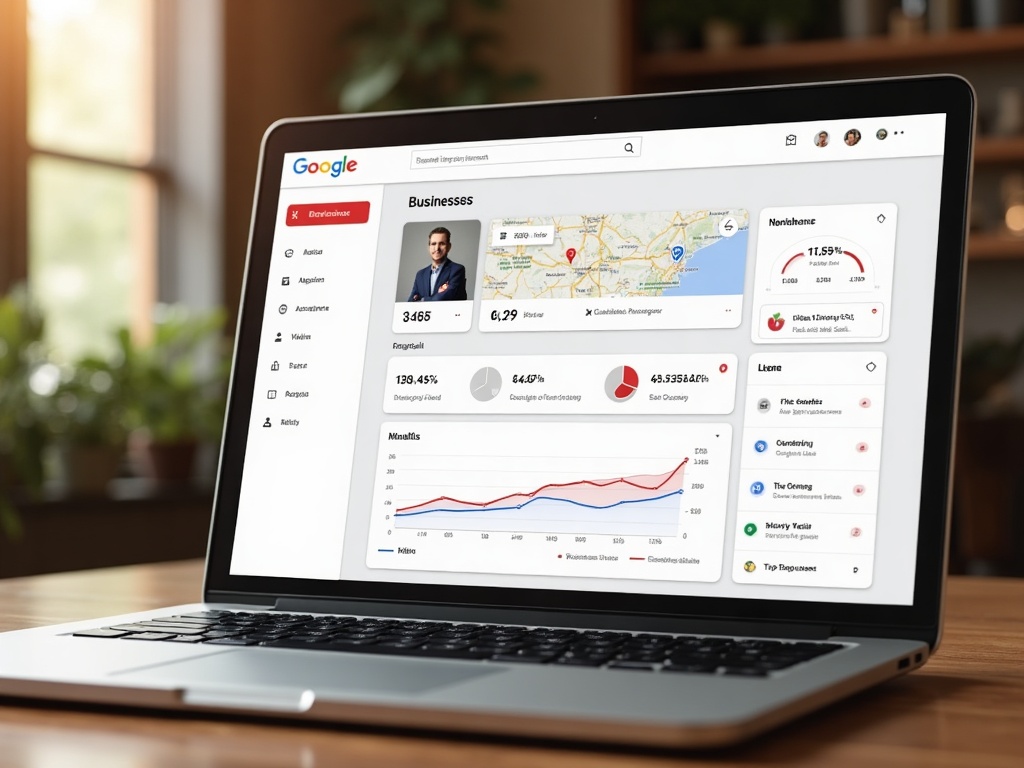
To evaluate the effectiveness of your geo SEO, you must track specific metrics. Local organic traffic (users arriving from searches with geographic intent) is fundamental. Also the click-through rate (CTR) in local results and Google Business Profile. Impressions in the local pack (the block of 3 results with a map) indicate visibility. Conversions (calls, direction clicks, website visits) are the ultimate goal. Other metrics: number of reviews and average rating, ranking in local keywords, and traffic from mobile devices (predominant in local searches).
| Metric | Description | Tool | Frequency |
|---|---|---|---|
| Local organic traffic | Visits from searches with geographic intent | Google Analytics | Weekly |
| Local pack CTR | Percentage of clicks over impressions on the map | Google Search Console | Monthly |
| Reviews and rating | Number of reviews and average stars | Google Business Profile | Daily |
| Local conversions | Calls, direction clicks, forms | Google Analytics + GBP | Monthly |
What Are the Geo SEO Trends for 2026?
What Will Shape the Future of Local SEO
In 2026, geo SEO evolves with artificial intelligence and voice search. Google prioritizes user experience and local relevance. Trends include: optimization for voice searches (long and natural phrases), use of AI to generate localized content, importance of video reviews, integration of Google Business Profile with social media, and personalization of results based on real-time location. Additionally, local SEO merges with proximity marketing (geofencing) and augmented reality.
«The big change is that local search increasingly ends with one name. People used to compare a dozen options, now they get two and call.»
Summary
In Summary: Geo SEO in 2026
Geo SEO in 2026 is essential for any business with a physical presence or service area. Optimizing your website and local profiles allows you to capture nearby customers at the exact moment they search for you. The keys: complete Google Business Profile, consistent NAP, active reviews, localized content, structured data, and local links. Measure with metrics like local traffic, CTR, and conversions. Trends point to voice, AI, and personalization. Apply these strategies and watch your business grow in your area.
Questions and answers
What is geo SEO?
It is the optimization of a website and its online presence to appear in local searches, such as 'restaurant in Valencia' or 'plumber near me'.
Why is geo SEO important in 2026?
Because 46% of Google searches have local intent, and users who search for something nearby usually visit the business within 24 hours.
How long does geo SEO take to show results?
It depends on competition and effort, but initial changes can be seen in 2-3 months, with solid results in 6-12 months.
What is Google Business Profile?
It is Google's free tool to manage a business's presence on Google Maps and local search results.
How to get reviews on Google?
Ask your satisfied customers to leave a review by providing a direct link. Always respond to all reviews.
What are local citations?
They are mentions of your business's name, address, and phone number on other websites, such as directories or social media. They must be consistent.
What is NAP?
It stands for Name, Address, Phone. It must be identical across all platforms to avoid confusing Google.
How to create localized content?
Write articles about local events, news from your area, or service guides in your city. Include geographic keywords.
What are local structured data?
They are code snippets (schema.org) that help Google understand your business information, such as address, hours, and service type.
Do social media influence geo SEO?
Indirectly, yes. Social signals (mentions, reviews, check-ins) can improve local authority and visibility.
What tools to use for geo SEO?
Google Business Profile, BrightLocal, Semrush Local, Moz Local, Whitespark, Yext, and Google Analytics are the most recommended.
How to measure geo SEO success?
Measure local organic traffic, local pack CTR, number of reviews, phone calls, direction clicks, and web conversions.
Does geo SEO work for online businesses?
Yes, if the business offers services in a specific area (e.g., home delivery, professional services) or has a physical store.
What does geo SEO consist of in 2026?
Content with geographic keywords, review management, consistent business data across directories and optimized online profiles. All of this puts a business into local search results.
Read also
 Brand Mentions in Gemini: Tracking and Optimization Guide 2026
Learn how to track and optimize your brand mentions in Google Gemini. Methods, tools, and tips to improve your AI visibility in 2026.
Read the article Promote Your Site in ChatGPT: Optimization for AI 2026
Learn how to optimize your website for ChatGPT and other AI chatbots. Content strategies and visibility in AI responses for 2026. Improve your ranking!
Read the article Share of Model and Content Automation with Profound AI in 2026
Learn what Share of Model is, how to measure it, and how to automate content with Profound AI to maximize your visibility in AI models in 2026. Practical guide.
Read the article