SEO in Europe: Complete Web Positioning Guide 2026.
🇪🇺 GDPR Regulation
The General Data Protection Regulation affects SEO: it requires consent for cookies and data processing. Ensure compliance to avoid penalties.
🌐 Multilingual SEO
Europe has 24 official languages. Implement hreflang tags correctly to direct traffic to the appropriate language.
📊 Country Differences
Each country has its own search engines and preferences. For example, Yandex in Russia or Seznam in the Czech Republic. Adapt your strategy.
🔍 Local Search
Optimize for local searches with Google My Business and European local directories. Search intent varies by region.
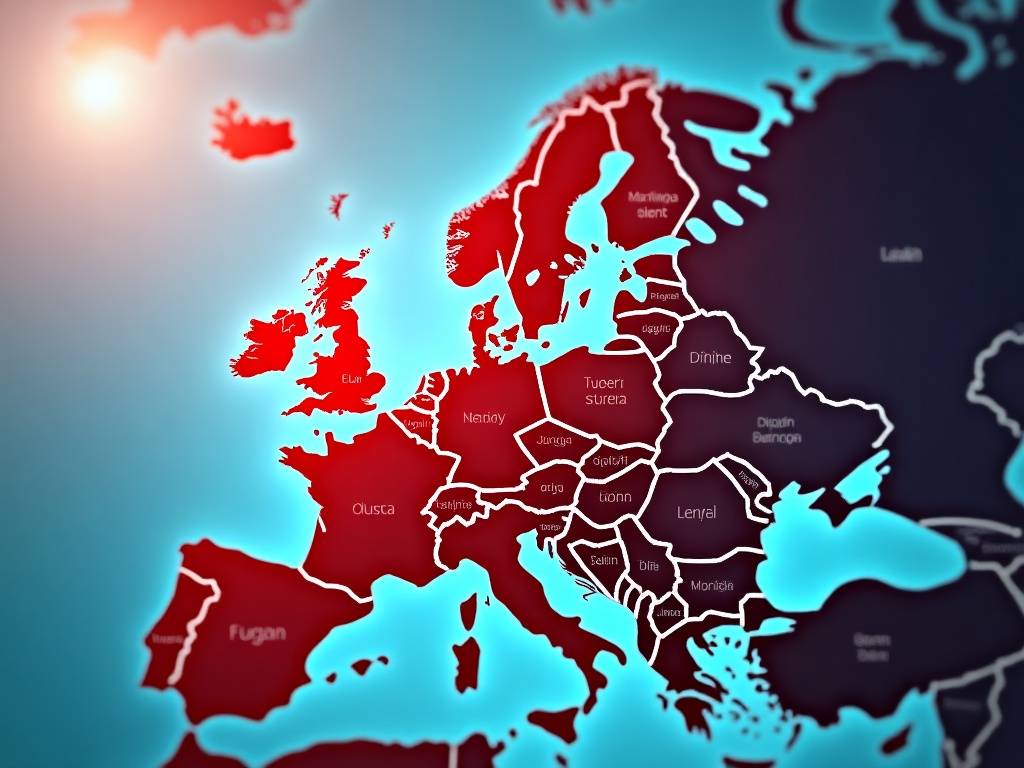
Key strategies to rank in European search engines.
SEO in Europe has its own difficulties: regulations like GDPR, linguistic diversity and cultural differences between countries. This guide will help you adapt your web positioning strategy to the European market in 2026, widening your reach without breaking local regulations.
The General Data Protection Regulation affects SEO: it requires consent for cookies and data processing. Ensure compliance to avoid penalties.
🌐 Multilingual SEO
Europe has 24 official languages. Implement hreflang tags correctly to direct traffic to the appropriate language.
📊 Country Differences
Each country has its own search engines and preferences. For example, Yandex in Russia or Seznam in the Czech Republic. Adapt your strategy.
🔍 Local Search
Optimize for local searches with Google My Business and European local directories. Search intent varies by region.
Quick answer
To do SEO in Europe in 2026 you have to comply with GDPR, implement hreflang for multilingual sites, adapt content to each country (keeping local search engines like Yandex in mind) and optimize for local searches. 72% of European users prefer content in their native language.
This page walks through the keys to SEO in the European market for 2026. We explain how GDPR affects positioning, why multilingual SEO with hreflang matters, what changes between countries (Google, Yandex, Baidu in certain regions) and how to work local search. We added Statista data on language preferences and practical tips for companies wanting to expand in Europe.
How does GDPR affect SEO in Europe?
Cookie consent and data protection
The General Data Protection Regulation (GDPR) obliges websites to obtain explicit consent to collect personal data, tracking cookies included. For SEO that means analytics and user tracking tools have to be adapted. On top of that, Google penalizes pages that fail privacy regulations, and it shows in the rankings. You need compliant cookie banners and clear privacy policies. Data processing for content personalization also has to be transparent. Non-compliance can cost fines of up to 4% of annual turnover.
Key SEO strategies for the European market in 2026.
1Implement a cookie banner with accept/reject options.
2Configure Google Analytics to anonymize IP addresses.
3Update your privacy policy detailing data usage.
4Use consent management tools like Cookiebot or OneTrust.
5Avoid tracking users without explicit consent.
6Periodically review compliance with data protection authorities.
7Train your team on GDPR requirements.
8Conduct cookie audits at least once a year.
What multilingual SEO strategies work in Europe?
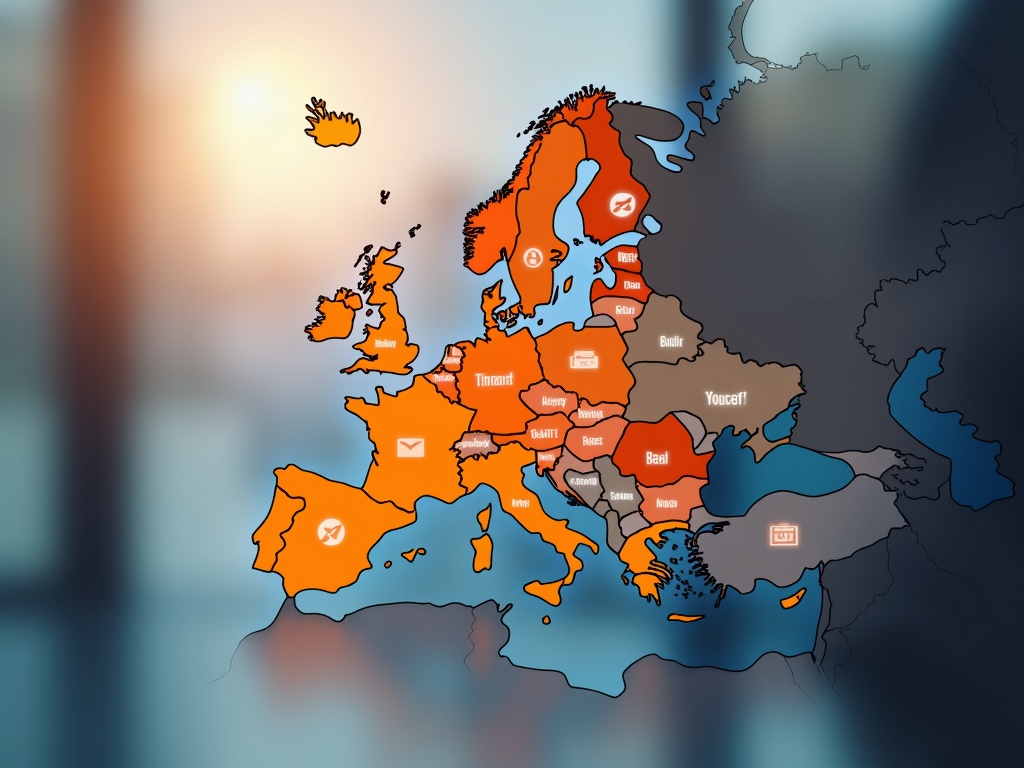
Search engine distribution in Europe: Google, Yandex and others.
Use of hreflang and localized content
To rank in several European countries you need hreflang tags that tell Google the language and region of each page. Content is localized, not just translated: expressions, cultural references and date and time formats are adapted. Country-specific domains or subdirectories help too (dominio.es for Spain, dominio.de for Germany). According to a Statista study, 72% of European users prefer to buy in their native language. Local keywords are identified with SEMrush or Ahrefs.
Language
hreflang code
Example URL
Country
Spanish (Spain)
es-es
https://ejemplo.es/
Spain
German (Germany)
de-de
https://ejemplo.de/
Germany
French (France)
fr-fr
https://ejemplo.fr/
France
What are the key SEO differences between European countries?
Local search engines and search preferences
Google dominates most European markets, but there are exceptions: in Russia Yandex holds over 60% share, and in the Czech Republic Seznam matters. Search habits change too: German users value technical precision, French users look more at design. Ranking factors differ: in some countries page speed weighs more. So it pays to research each market and adapt the SEO strategy locally. In Germany, for example, Trustpilot reviews carry more weight than in Spain.
Expert opinion
«The difference between countries is in search habits, not algorithms. In one country people search by brand, in another by service, and site structure has to reflect that.»
Evgenii Slepinin, Founder · Systems Architect · Lead Developer. Source
In summary: keys to European SEO in 2026.
SEO in Europe demands GDPR compliance, hreflang for multilingual sites, content adapted to each country and attention to local search engines like Yandex. Local optimization and page speed are decisive. According to Statista, 72% of users prefer content in their own language. To make it work, invest in localization, follow the regulations and run periodic audits. With this approach your business can hold its ground in the competitive European market.
Google SEO
Technical audit, local SEO, E-E-A-T content and link building, from €290 a month. We rank your site for the searches your local customers actually type into Google.
A subscription to a month of work: you pay for what gets done, with no lock-in contract. First movement shows around month 2-3; nobody honest promises SEO any faster. Search Console and Analytics are set up in your name, and every month you get a report together with the plan for the next one. The package costs about half of what the same work would cost bought separately.
Local SEO
SEO7 Start
from€290/mo
Google promotion for Valencia businesses: technical fixes, keywords, 2 articles a month, Google Business Profile and link building. A monthly report with recommendations.
à la carte
€520
Discount
−€230
Timeline
first shifts in 3 months
Technical SEO site audit
Google Maps + basic GBP
Basic content start
Top
SEO across the whole city
SEO7 Pro
from€590/mo
4 articles a month, landing pages for Valencia districts, 15-20 links and digital PR. GeoGrid shows where in the city you are found and where you are not.
à la carte
€1050
Discount
−€460
Timeline
first shifts in 3 months
E-E-A-T content strategy
Link building 5-10 links/mo
Valencia district landing pages
Maximum coverage
SEO7 Max
from€990/mo
8 articles a month, hyperlocal clusters across Valencia, GeoGrid 9×9, voice search and AI Overviews preparation. A quarterly strategy session.
à la carte
€1800
Discount
−€810
Timeline
first shifts in 3 months
GeoGrid district monitoring
Reputation management + NAP sync
Monthly analytics report
Local SEO
SEO7 Start
from€290/mo
Google promotion for Valencia businesses: technical fixes, keywords, 2 articles a month, Google Business Profile and link building. A monthly report with recommendations.
à la carte
€520
Discount
−€230
Timeline
first shifts in 3 months
Technical SEO site audit
Google Maps + basic GBP
Basic content start
Top
SEO across the whole city
SEO7 Pro
from€590/mo
4 articles a month, landing pages for Valencia districts, 15-20 links and digital PR. GeoGrid shows where in the city you are found and where you are not.
à la carte
€1050
Discount
−€460
Timeline
first shifts in 3 months
E-E-A-T content strategy
Link building 5-10 links/mo
Valencia district landing pages
Maximum coverage
SEO7 Max
from€990/mo
8 articles a month, hyperlocal clusters across Valencia, GeoGrid 9×9, voice search and AI Overviews preparation. A quarterly strategy session.
à la carte
€1800
Discount
−€810
Timeline
first shifts in 3 months
GeoGrid district monitoring
Reputation management + NAP sync
Monthly analytics report
Shall we discuss your project?
A short brief, and we’ll come back with a plan and quote within 24-48 h. No pressure.
GDPR is the European data protection regulation. It affects SEO because it requires consent for cookies and data processing, impacting tracking and personalization.
How to implement hreflang correctly?
Add <link rel='alternate' hreflang='xx' href='URL' /> tags in the <head> of each page, indicating language and region (e.g., es-es, de-de).
What search engines are popular in Europe besides Google?
Yandex in Russia, Seznam in the Czech Republic, and DuckDuckGo in some countries. It is important to optimize for them if your audience uses them.
Is it necessary to have a domain per country?
It is not mandatory, but it helps. You can use subdirectories (example.com/es/) or subdomains (es.example.com). Google treats them equally if you use hreflang.
How does page speed affect SEO in Europe?
Speed is a ranking factor in all countries. In Europe, the average page load time is 2.5 seconds; optimize images and use a CDN.
How important is local SEO in Europe?
Very high. 46% of Google searches have local intent. Optimize Google My Business and local directories like Yelp or PagesJaunes.
Should I translate or localize content?
Localizing is better. Adapt expressions, units of measurement, currency and cultural references. A literal translation often fails to connect with the audience.
What tools do you recommend for multilingual SEO?
SEMrush, Ahrefs, and Screaming Frog. They help identify local keywords and audit hreflang tags.
How to handle cookies according to GDPR?
Use a cookie banner that allows accept or reject, and record consent. Tools like Cookiebot or OneTrust facilitate compliance.
Which European countries have the highest SEO competition?
United Kingdom, Germany, France, and Spain are the most competitive. They require advanced strategies and high-quality content.
Does web design influence European SEO?
Yes. European users value usability and responsive design. Google prioritizes mobile-friendly sites.
How do online reviews affect SEO?
Reviews on platforms like Trustpilot or Google My Business improve credibility and local SEO. In Germany, Trustpilot is very influential.
What is multiregional SEO?
It is optimization for several countries or regions, using hreflang, localized content, and market-specific link building strategies.