SEO, AEO and GEO in 2026: The Future of Search in Spain.
🔍 Traditional SEO
It remains the foundation: ranking on Google with keywords, links and authority. In 2026, search intent and page experience are critical.
🗣️ AEO: Answer Engine Optimization
Optimizing for assistants like Siri or Alexa. Direct and concise answers using schema markup and featured snippets.
🤖 GEO: Generative Engine Optimization
Preparing your content for generative engines (ChatGPT, Bard). Emphasis on authority, citations and natural language.
📈 Integrated Strategy
Combining SEO, AEO and GEO maximizes visibility across all channels. At SEO7 we have been adapting to every change for 8 years.
How traditional, assistive and generative search strategies will converge in 2026.
In 2026, the online search landscape is being rewritten by the convergence of SEO (Search Engine Optimization), AEO (Answer Engine Optimization) and GEO (Generative Engine Optimization). From our agency in Valencia, SEO7, we analyze the keys for your business to stand out on Google, in voice assistants and in generative engines like ChatGPT. Get ready for an ecosystem where visibility depends on direct answers, structured data and AI-ready content.
It remains the foundation: ranking on Google with keywords, links and authority. In 2026, search intent and page experience are critical.
🗣️ AEO: Answer Engine Optimization
Optimizing for assistants like Siri or Alexa. Direct and concise answers using schema markup and featured snippets.
🤖 GEO: Generative Engine Optimization
Preparing your content for generative engines (ChatGPT, Bard). Emphasis on authority, citations and natural language.
📈 Integrated Strategy
Combining SEO, AEO and GEO maximizes visibility across all channels. At SEO7 we have been adapting to every change for 8 years.
Quick answer
In 2026, the future of search combines SEO (Google), AEO (voice assistants) and GEO (generative engines like ChatGPT). To rank, prepare your website with structured data, direct answers and authoritative content. At SEO7, from Valencia, we help you implement these strategies across Spain with over 20 technologies and a response in 24-48h.
In this article we look at how the three pillars of online search evolve: SEO, AEO and GEO. We go over their differences, how to integrate them and which tools to use. We analyze data from Statista and Gartner on the growth of voice and generative searches. We also include a comparison table and practical steps so your business arrives at 2026 ready. All with a practical approach, built on our 8 years of experience at SEO7.
What are the differences between SEO, AEO and GEO in 2026?
Three complementary approaches to dominate search
Traditional SEO works with engines like Google: pages optimized for keywords and links. AEO (Answer Engine Optimization) aims to appear in direct answers from assistants like Alexa or Google Assistant, with the focus on featured snippets and structured data. GEO (Generative Engine Optimization) was born with generative AI: content prepared so that ChatGPT, Gemini or Perplexity cite it as a reliable source. In 2026 these disciplines converge: a website with solid SEO, AEO answers and GEO authority will be visible across every channel. According to Gartner, by 2026 30% of searches will be screenless (voice) and 20% generative. That is why at SEO7 we recommend a unified strategy.
Convergence of SEO, AEO and GEO in 2026: key to online visibility.
1Audit your website with tools like Semrush or Ahrefs to identify SEO opportunities.
2Implement schema markup (FAQ, HowTo, Product) to improve machine readability.
3Create content that answers specific questions in list or short paragraph format.
4Optimize for voice search using natural language and long-tail keywords.
5Build topical authority with quality internal and external links.
6Use citations from verifiable sources (Statista, studies) to increase credibility with generative engines.
7Monitor your presence on ChatGPT and other assistants with tools like Brand24.
8Update your content periodically to maintain relevance and freshness.
How to prepare your business for SEO, AEO and GEO in 2026?
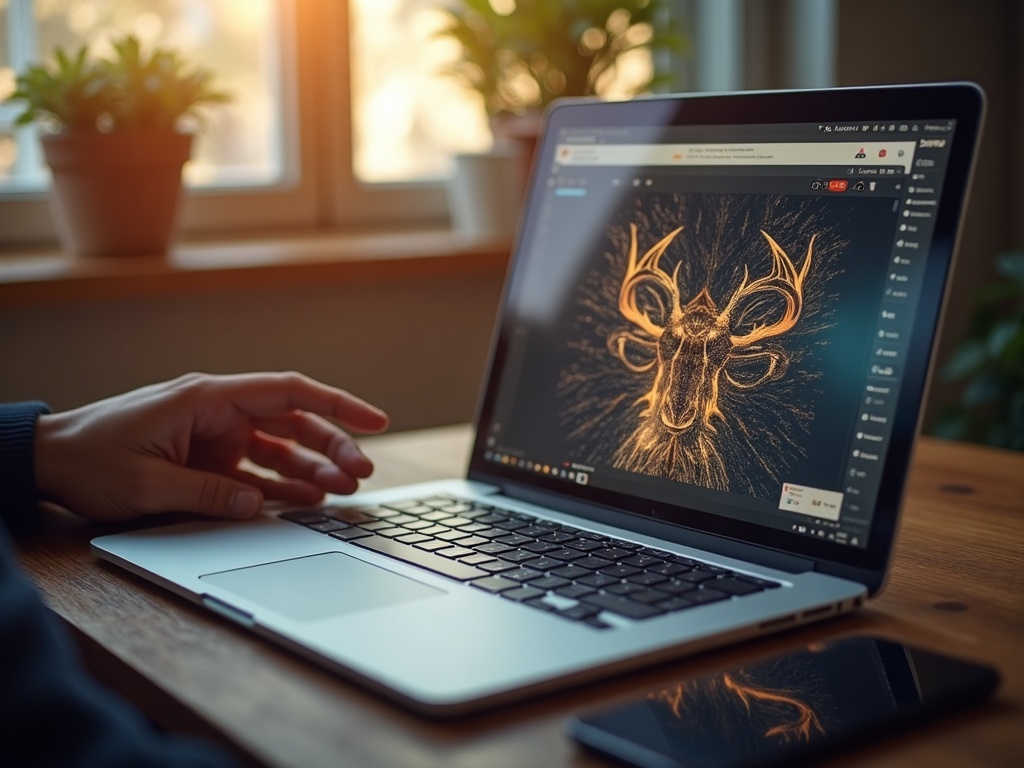
Generative AI transforms search: optimize your content for ChatGPT and assistants.
Practical steps from SEO7's experience
To arrive at 2026 ready, your business needs a multi-channel approach. First, a solid technical SEO foundation: page speed, mobile-first and HTTPS security. Second, structured data so voice assistants and generative engines understand your content. Third, authoritative, well-cited content with direct answers to frequently asked questions. Fourth, a diversified presence: Google, Bing, ChatGPT, Alexa. The key is to get ahead of it: start optimizing for the future now.
Feature
SEO
AEO
GEO
Main objective
Rank in search engines
Answer direct questions
Be cited by generative AI
Content format
Articles, pages
Featured snippets, snippets
Authoritative and structured content
Key tools
Google Search Console, Ahrefs
Schema.org, AnswerThePublic
ChatGPT, Perplexity, Brand24
What is the real impact of generative AI on search in 2026?
Data and trends you need to know
Generative AI is rewriting search. According to a 2023 Gartner report, by 2026 30% of searches will be screenless (voice) and 20% of queries will be answered by generative engines. That means your content has to be ready not only for Google but also for ChatGPT, Gemini and others. The key is authority: generative engines prefer sources with a good reputation, verifiable data and clear structure. Do not put it off: adapt your strategy now.
Expert opinion
«Generative search did not take our rankings, it took the click. A page can sit first and bring no visits at all when the answer is already assembled above it. Mentions are what you count now, not just positions.»
Evgenii Slepinin, Founder · Systems Architect · Lead Developer. Source
In short: SEO, AEO and GEO in 2026.
The future of search in 2026 brings SEO, AEO and GEO together. SEO remains the foundation for Google, AEO prepares you for voice assistants and GEO for generative engines like ChatGPT. Companies need a unified strategy: structured data, authoritative content and direct answers. According to Gartner, 30% of searches will be screenless and 20% generative. At SEO7, with 8 years of experience and over 20 technologies, we help businesses across Spain prepare for this change. The key: start today, with a website audit, schema implementation and authority building.
ChatGPT ranking
So ChatGPT, Gemini, Perplexity and Google AI Overview recommend your company when a customer asks “who’s the best in Valencia”. From €490 a month.
Ranking inside AI models works differently from classic SEO: what matters is how facts about your company are structured, how quotable they are, and whether you show up in the sources the models read. Every month we check what ChatGPT, Gemini and Perplexity say about you and fix whatever keeps you out of the answer. The field is young, so we work on subscription: models keep changing and a set-it-once setup doesn’t hold here. In Spain these services run €1,500-5,000 a month; we come in three times cheaper.
So ChatGPT recommends you
SEO7 Start
from€490/mo
We set your site up so AI models see your business and name it in answers. A 172-check audit, access for 40+ AI crawlers, AEO adaptation of 15 pages and weekly mention monitoring.
à la carte
€880
Discount
−€390
Timeline
first report in 30 days
Full Schema.org + llms.txt
Basic AEO copywriting 5 texts
ChatGPT and Gemini see your brand
Top
Every AI model at once
SEO7 Pro
from€990/mo
Perplexity, Claude, Microsoft Copilot and Google's AI answer block on top of ChatGPT. Work with Wikidata, Knowledge Graph, press releases and negative mention monitoring.
à la carte
€1780
Discount
−€790
Timeline
first report in 30 days
Digital profile with entity map
Weekly mention monitoring
AEO for 15 texts
Pro
Leadership in AI search
SEO7 Max
from€1690/mo
Full AI coverage including Alice and Yandex Neuro. A white paper or industry study, content rewritten for citability, a dedicated AI strategist and an SLA.
à la carte
€3040
Discount
−€1350
Timeline
first report in 30 days
Knowledge Graph integration
Brand reputation protection in AI
Local AI mentions by Valencia districts
So ChatGPT recommends you
SEO7 Start
from€490/mo
We set your site up so AI models see your business and name it in answers. A 172-check audit, access for 40+ AI crawlers, AEO adaptation of 15 pages and weekly mention monitoring.
à la carte
€880
Discount
−€390
Timeline
first report in 30 days
Full Schema.org + llms.txt
Basic AEO copywriting 5 texts
ChatGPT and Gemini see your brand
Top
Every AI model at once
SEO7 Pro
from€990/mo
Perplexity, Claude, Microsoft Copilot and Google's AI answer block on top of ChatGPT. Work with Wikidata, Knowledge Graph, press releases and negative mention monitoring.
à la carte
€1780
Discount
−€790
Timeline
first report in 30 days
Digital profile with entity map
Weekly mention monitoring
AEO for 15 texts
Pro
Leadership in AI search
SEO7 Max
from€1690/mo
Full AI coverage including Alice and Yandex Neuro. A white paper or industry study, content rewritten for citability, a dedicated AI strategist and an SLA.
à la carte
€3040
Discount
−€1350
Timeline
first report in 30 days
Knowledge Graph integration
Brand reputation protection in AI
Local AI mentions by Valencia districts
Shall we discuss your project?
A short brief, and we’ll come back with a plan and quote within 24-48 h. No pressure.